Affiliate disclosure: This article contains Amazon affiliate links. As an Amazon Associate we earn from qualifying purchases, at no extra cost to you. See our full disclosure.
Last updated: October 2026.
Quick answer: the best testosterone booster for men over 40 is usually the one that fixes a real gap. Vitamin D, zinc and magnesium may help if you are deficient. Ashwagandha, fenugreek and tongkat ali showed modest effects in small trials. Most boosters do not raise testosterone in men with normal levels. Low testosterone needs a blood test, and treatment is a medical decision.
Choosing the best testosterone booster for men over 40 starts with one fact: most products sold as boosters have little proof behind them. A few ingredients have some evidence, mostly in men who are low in a nutrient or under stress.
We compared labels and Amazon listings for the five picks below, and checked the research on each ingredient. We did not lab test any product. For background, read our testosterone after 40 guide.
Which is the best testosterone booster for men over 40?
The best testosterone booster for men over 40 depends on your situation, and a blood test is the best way to know it.
- Best overall for stress-related low T: Nutricost KSM-66 Ashwagandha
- Best if you are low in vitamin D: Amazon Elements Vitamin D3 5000 IU
- Best for active men low in zinc or magnesium: NOW Sports ZMA
- Best budget herbal: Vitamatic Fenugreek 10:1 extract
- Best tongkat ali option: BulkSupplements Longjack extract
How we picked the best testosterone booster for men over 40: we favored single ingredients with human trials, clear labels and established brands. The best testosterone booster for men over 40 is still the one that fixes your own deficiency, so a blood test comes first.
Our picks at a glance
| Product | Main ingredient(s) | Daily serving | Best for |
|---|---|---|---|
| Nutricost KSM-66 Ashwagandha | Ashwagandha root extract, 600 mg per capsule | Per label | Stress-related low T |
| Amazon Elements Vitamin D3 | Vitamin D3, 5000 IU (125 mcg) | 1 softgel, after testing | Men low in vitamin D |
| NOW Sports ZMA | Zinc, magnesium, vitamin B6 | Per label | Active men low in zinc or magnesium |
| Vitamatic Fenugreek | Fenugreek 10:1 extract, 300 mg per serving | Per label | Budget herbal option, libido |
| BulkSupplements Longjack | Tongkat ali (longjack) extract | Per label | Men who want to try tongkat ali |
Best testosterone booster for men over 40: our 5 picks reviewed
This is a 600 mg capsule of KSM-66, a branded ashwagandha root extract used in several small trials. Men taking it had modest rises in testosterone and lower stress scores than men on placebo, which makes it our best testosterone booster for men over 40 under chronic stress.
The limit: the trials were small and short. Rare liver injury has been reported, and it may affect thyroid hormones. Our ashwagandha for testosterone guide covers the research in more detail.
Best for: men under stress who want the herb with the most trial data. Skip if: you have thyroid or liver disease, or take thyroid, sedative or immune-suppressing drugs, unless your doctor agrees.

- The information below is per-pack only
- 600mg of KSM-66 Ashwagandha Root Extract Per Serving (60 Servings)
- 60 Veggie Caps Per Bottle
2. Amazon Elements Vitamin D3 5000 IU: best if you are low in vitamin D
Each softgel supplies 5000 IU (125 mcg) of vitamin D3. Low vitamin D is linked to lower testosterone. Correcting a deficiency may help, but extra vitamin D does not seem to raise testosterone in men with normal levels.
The limit: 5000 IU is above the 4,000 IU daily upper limit for adults taking it without medical supervision. Get a vitamin D blood test first, and use this dose only if your doctor advises it.
Best for: men with a confirmed vitamin D deficiency. Skip if: your level is normal, you have kidney disease or high calcium, or you already take vitamin D in other products.

- IMMUNE SUPPORT: Supports strong bones and a healthy immune system
- VITAMIN D3 CONTENT: 5000 IU (125 mcg) of Vitamin D3 as cholecalciferol per softgel
- CONVENIENT SUPPLY: 180 small liquid softgels, a 6 month supply when taken daily at the listed serving size
3. NOW Sports ZMA: best for active men low in zinc or magnesium
ZMA combines zinc, magnesium and vitamin B6, and this bottle holds 180 veg capsules. Both minerals play a role in testosterone production, and men who sweat heavily or eat poorly may run low.
The limit: ZMA helps only if you are deficient. Long-term high zinc intake can lower copper levels, and magnesium can loosen stools.
Best for: active men with a low-quality diet. Skip if: you already take a multivitamin with zinc and magnesium, or you take certain antibiotics or osteoporosis drugs that these minerals can block.

- NOW Sports products are comprehensively tested so you can trust that our products are pure and effective for every level…
- MUSCLE STRENGTH*/ENHANCED ABSORPTION: ZMA is a combination of zinc, magnesium, and vitamin B-6, designed to maximize abs…
- SPORTS RECOVERY*: Because physical activity can increase the need for these two minerals, ZMA is the ideal supplement to…
4. Vitamatic Fenugreek: best budget herbal
This is a 10:1 fenugreek seed extract with 300 mg per serving, and the bottle holds 320 capsules. Small trials of fenugreek extracts reported mixed results on testosterone. The more consistent finding was a modest improvement in libido.
The limit: the trials used different extracts and doses, so results may not carry over to this product. Fenugreek can lower blood sugar and may cause digestive upset or a maple-syrup smell in sweat and urine.
Best for: men on a budget who mainly want libido support. Skip if: you take diabetes drugs or blood thinners, or are allergic to peanuts or chickpeas.
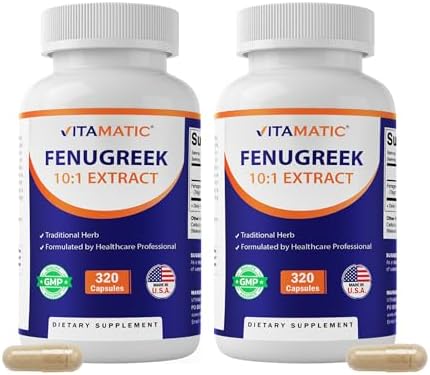
- CONCENTRATED FENUGREEK EXTRACT – Provides 300 mg of Fenugreek 10:1 Extract (Trigonella foenum-graecum) seed per 2-capsul…
- TRADITIONAL HERBAL SUPPLEMENT – Made with a concentrated fenugreek seed extract in convenient vegetarian capsules for ev…
- VALUE SIZE – Each bottle contains 320 capsules, providing 160 servings when taken as directed.
5. BulkSupplements Longjack: best tongkat ali option
Longjack is another name for tongkat ali, a Southeast Asian root. A few small trials found modest testosterone and mood effects, mostly in stressed or older men with low levels.
The limit: the research is limited and quality varies widely between brands. Long-term safety is not well studied.
Best for: men who want to try tongkat ali after ruling out deficiencies. Skip if: you have a hormone-sensitive condition, heart disease or take several medicines.

- Rich in Natural Nutrients: Step into a world where every serving is a treasure chest of essential nutrients sourced dire…
- Consciously Crafted for Daily Vitality: Experience the daily boost you deserve. Our Longjack capules, or Tongkat Ali cap…
- Recommended Use & Pure Ingredients: Take 2 capsules daily, totaling 1000 mg Longjack Extract. Formulated with high-quali…
Do testosterone boosters actually work?
Most do not raise testosterone in men whose levels are already normal. Even the best testosterone booster for men over 40 works mainly when it fixes a deficiency, and herbal effects in trials were modest.
| Ingredient | What the evidence suggests | Who may benefit |
|---|---|---|
| Vitamin D | Helps only if you are deficient | Men with low blood levels |
| Zinc | Helps only if you are deficient | Men with poor diets or heavy sweating |
| Magnesium | Helps only if you are deficient | Active men, men with low intake |
| Ashwagandha | Modest effects in small trials | Stressed men |
| Fenugreek | Mixed results; libido more than testosterone | Men focused on sex drive |
| Tongkat ali | Modest effects in a few small trials | Stressed or older men with low levels |
How do you choose the best testosterone booster for men over 40?
Choose based on a blood test and your symptoms, not on label claims. The best testosterone booster for men over 40 on paper may do nothing if your levels are normal.
- Test first. Check morning total testosterone and vitamin D. See our guide to how to check testosterone levels or compare at-home testosterone test kits.
- Pick one ingredient at a time. Proprietary blends hide doses and make it hard to tell what works.
- Look for third-party testing. A USP or NSF seal shows the label matches the contents.
- Give it time. Try one product for about two to three months, then retest.
What raises testosterone without supplements?
Sleep, weight loss and strength training have stronger effects than the best testosterone booster for men over 40.
Short sleep lowers testosterone, as we explain in sleep and testosterone. Losing excess belly fat, lifting weights and limiting alcohol also help. A diet with enough protein, healthy fats, zinc and vitamin D supports normal production; see foods that boost testosterone naturally.
Are testosterone boosters safe?
Single-ingredient products from reputable brands are usually well tolerated, but they are not risk-free. The best testosterone booster for men over 40 is one with a third-party seal and no hidden blend.
- Tainted products: the FDA has warned about products sold as testosterone or muscle boosters that contain hidden steroids or other undeclared drugs.
- Drug interactions: ashwagandha, fenugreek and minerals can interact with thyroid, diabetes, blood-thinning, sedative and some antibiotic medicines.
- Too much of a good thing: high doses of vitamin D or zinc taken for long periods can cause harm.
When should you see a doctor?
See a doctor about lasting symptoms of low testosterone before you try even the best testosterone booster for men over 40.
- Low sex drive, erection problems or loss of morning erections
- Persistent fatigue, low mood or poor concentration
- Loss of muscle, more body fat or breast tenderness
- Shrinking testicles, hot flashes or reduced body hair
Low testosterone is usually confirmed when morning total testosterone is below about 300 ng/dL on two tests. Learn the signs in low testosterone symptoms in men over 40. If it is confirmed, testosterone replacement therapy is a medical decision with its own risks and monitoring.
Best testosterone booster for men over 40 FAQ
What is the best testosterone booster for men over 40?
It depends on what you lack. Vitamin D or zinc may help if you are deficient. Among herbs, ashwagandha has the most trial support, but its effects on testosterone are modest. Get a blood test before choosing.
Do testosterone boosters really work?
Most do not raise testosterone in men with normal levels. A few ingredients help when they correct a deficiency, and herbs such as ashwagandha and tongkat ali showed only modest effects in small trials.
Can vitamin D raise testosterone?
Vitamin D may help if your blood level is low, because deficiency is linked to lower testosterone. Taking extra vitamin D does not seem to raise testosterone in men whose vitamin D levels are already normal.
Is ashwagandha the best testosterone booster for men over 40?
For stressed men it has the most trial support, though effects were modest. It is usually well tolerated short term. Rare liver injury has been reported. Ask a doctor first if you have thyroid or liver disease.
How long do testosterone boosters take to work?
Trials usually lasted about two to three months. Give one product that long, then retest your testosterone. If nothing has changed, stop and talk to your doctor about other causes and options.
Can testosterone boosters be dangerous?
Some can. The FDA has warned about products sold as boosters that contain hidden steroids or undeclared drugs. High doses of vitamin D or zinc can also cause harm, and herbs can interact with medicines.
What testosterone level is considered low?
Total testosterone below about 300 ng/dL on two morning blood tests is the usual threshold, along with symptoms. Your doctor will also look for causes such as obesity, medicines, sleep apnea or pituitary problems.
Should I take a testosterone booster or change my lifestyle first?
Start with lifestyle. Before the best testosterone booster for men over 40, try better sleep, weight loss, strength training and less alcohol have stronger effects on testosterone than most supplements. Add a targeted supplement only if a test shows a deficiency or a clear need.
Bottom line
The best testosterone booster for men over 40 is the one that corrects a real shortfall. Test vitamin D and testosterone first. Ashwagandha has the most trial support among herbs, but the effects are modest. Sleep, weight loss and exercise matter more than any pill, and confirmed low testosterone needs a doctor.
References
- Endocrine Society: Testosterone Therapy in Men With Hypogonadism
- American Urological Association: Clinical Guidelines
- NIH Office of Dietary Supplements: Vitamin D
- NIH Office of Dietary Supplements: Zinc
- NIH Office of Dietary Supplements: Magnesium
- NIH NCCIH: Ashwagandha
This article is for information only and is not medical advice. Supplements are not intended to diagnose, treat, cure or prevent any disease.