
Affiliate disclosure: This article contains affiliate links, including links to Amazon and to ProstaDefend, a paid partner. If you buy through them we may earn a commission at no extra cost to you. See our full disclosure.
Last updated: October 2026.
Quick answer: the most common enlarged prostate symptoms are a weak or slow urine stream, trouble starting, dribbling, a feeling of incomplete emptying, frequent or urgent urination and waking at night to urinate. They are caused by benign prostatic hyperplasia (BPH), a non-cancerous growth linked to aging and hormones. See a doctor if symptoms are new, worsening or bothersome.
Enlarged prostate symptoms usually build slowly, often over years, and many men put them down to getting older. The medical name for the condition is benign prostatic hyperplasia, or BPH. It is not cancer.
This guide lists the warning signs, the causes and what you can do. For the wider picture, see our prostate health after 50 guide.
Enlarged prostate symptoms at a glance
| Question | Short answer |
|---|---|
| Medical name | Benign prostatic hyperplasia (BPH) |
| Is it cancer? | No, and it does not turn into cancer |
| Main symptoms | Weak stream, hesitancy, dribbling, frequency, urgency, night-time urination |
| Main causes | Aging and long-term exposure to male hormones, mainly DHT |
| Who gets it | Uncommon before 40, common after 50, very common after 70 |
| How it is diagnosed | Symptom questionnaire, physical exam, urine test, sometimes a PSA blood test |
| Treatment | Monitoring, lifestyle changes, medication or a procedure |
What are the symptoms of an enlarged prostate?
Enlarged prostate symptoms fall into two groups: voiding symptoms, which affect how urine flows out, and storage symptoms, which affect how the bladder holds urine. Doctors call the whole set lower urinary tract symptoms, or LUTS.
| Voiding symptoms (emptying) | Storage symptoms (holding) |
|---|---|
| Weak or slow stream | Urinating often during the day |
| Trouble starting (hesitancy) | Waking at night to urinate (nocturia) |
| Stream that stops and starts | Sudden, strong urge that is hard to delay |
| Straining to urinate | Leaking before reaching the toilet |
| Dribbling at the end | |
| Feeling the bladder is not empty |
Voiding symptoms come from the prostate squeezing the urethra. Storage symptoms develop as the bladder muscle thickens and becomes irritable from pushing against that blockage.
Prostate size does not predict how bad enlarged prostate symptoms are. Some men with a very large gland have few problems.
What causes the prostate to enlarge?
The prostate enlarges mainly because of aging and decades of exposure to male hormones, although the exact cause is not fully understood. Several factors are linked to a higher risk.
- Age. This is the strongest factor. The gland keeps growing slowly through adult life.
- Hormones. The prostate converts testosterone into dihydrotestosterone (DHT), which drives prostate cell growth. Shifts in the balance between testosterone and estrogen with age may also play a part.
- Family history. Having a father or brother with BPH raises the odds.
- Metabolic factors. Obesity, type 2 diabetes, heart and circulatory disease and a lack of physical activity are all linked to BPH, according to the National Institute of Diabetes and Digestive and Kidney Diseases.
Low testosterone does not cause BPH. Our testosterone after 40 guide explains how hormone levels change with age.
How common is an enlarged prostate by age?
An enlarged prostate is rare before 40 and becomes steadily more common with each decade after that. By their 60s a large share of men have some enlargement, and by their 80s most do.
Enlargement is not the same as having enlarged prostate symptoms. Many men with a larger gland are never bothered, and only some of the rest need treatment.
What makes enlarged prostate symptoms worse?
Certain drinks, medicines and habits can make enlarged prostate symptoms noticeably worse, even though they do not change the size of the gland. Common triggers include:
- Caffeine. Coffee, tea, energy drinks and cola increase urine production and can irritate the bladder.
- Alcohol. It increases urine output and can make urgency and night-time trips worse.
- Decongestants. Cold medicines with pseudoephedrine or phenylephrine tighten the muscle at the bladder outlet.
- Antihistamines. Older types such as diphenhydramine weaken bladder contractions.
- Evening fluids. Drinking a lot in the two to three hours before bed leads to more night-time urination.
Decongestants and older antihistamines can occasionally trigger a sudden inability to urinate. Ask a pharmacist before taking a cold or allergy remedy if you have BPH.
How is an enlarged prostate diagnosed?
An enlarged prostate is diagnosed from your symptoms, a physical exam and a few simple tests. A typical first visit includes:
- IPSS questionnaire. The International Prostate Symptom Score asks seven questions and gives a total from 0 to 35. A score of 0 to 7 is mild, 8 to 19 is moderate and 20 to 35 is severe.
- Digital rectal exam (DRE). The doctor feels the size, shape and texture of the prostate.
- Urine test. This checks for infection, blood or sugar.
- PSA blood test. This may be offered after a discussion of its pros and cons. BPH itself can raise PSA.
Some men also have a urine flow test, a scan to measure how much urine is left after voiding, or an ultrasound. Other conditions can mimic enlarged prostate symptoms. See prostate cancer vs BPH and prostatitis symptoms and treatment.
What can you do about enlarged prostate symptoms?
Treatment depends on how much the symptoms bother you, and mild cases often need only monitoring and lifestyle changes.
Lifestyle changes
- Cut back on caffeine and alcohol, especially after midday.
- Drink less in the evening, but do not restrict fluids overall.
- Urinate, wait a moment, then try again to empty the bladder more fully.
- Stay active and manage your weight.
- Review your medicines with a doctor or pharmacist.
Medications
Alpha blockers such as tamsulosin relax the muscle around the bladder outlet and can ease symptoms within days to weeks. Finasteride and dutasteride lower DHT and can shrink the gland over several months. Daily tadalafil is another option. All need a prescription and can cause side effects.
Procedures
Procedures are considered when medication does not help enough or complications develop. They range from minimally invasive options, such as implants that hold the urethra open or water vapor therapy, to surgery that removes obstructing tissue. We compare them in BPH treatment options.
Do supplements help enlarged prostate symptoms?
Supplements may give some men modest relief, but the evidence is weaker than for prescription medication. Beta-sitosterol and pygeum showed modest benefit for urinary symptoms in older, small trials. Saw palmetto performed about the same as placebo in a 2023 Cochrane review. None of them changes the size of the prostate.
Life Extension Ultra Prostate Formula is a softgel that combines 320 mg of saw palmetto extract with beta-sitosterol, pygeum and nettle root. The serving is two softgels a day. The blend itself has not been proven in large trials, so treat it as something to try, not as a replacement for a medical check-up.
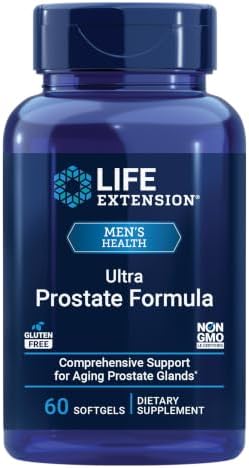
- Prostate health support – It’s essential for men to maintain prostate health as they age. Ultra Prostate Formula combine…
- Helps maintain already-healthy PSA – Ultra Prostate Formula helps address some of the most important factors for prostat…
- Healthy inflammatory response – Ultra Prostate Formula includes Boswellia serrata to support a healthy inflammatory resp…
A partner formula: ProstaDefend
ProstaDefend combines saw palmetto, pygeum and stinging nettle with three other botanicals. Its sales page does not state the amount of each ingredient, and the formula has not been tested in a trial. It is sold on its official site with a 90-day money-back guarantee. ProstaDefend is a paid partner of this site.
Tell your doctor about any supplement you take. For a wider comparison, see our guide to the best prostate supplements.
What complications can an enlarged prostate cause?
Most men with BPH never develop complications, but untreated blockage can damage the urinary tract over time. Possible complications include:
- Acute urinary retention, a sudden inability to urinate
- Repeated urinary tract infections
- Bladder stones
- Blood in the urine
- Bladder damage from long-term overstretching
- Kidney damage from urine backing up, which is uncommon
When should you see a doctor?
See a doctor about any urinary symptoms that are new, getting worse or affecting your sleep or daily life. Get medical help the same day or go to an emergency department if you have:
- A complete inability to urinate
- Fever or chills with painful, frequent or urgent urination
- Blood in your urine
- Severe pain in the lower belly, side or back
Book a routine visit for burning with urination, leaking or symptoms that started after a new medicine.
Enlarged prostate symptoms FAQ
What are the first enlarged prostate symptoms?
The earliest signs are usually a weaker stream, taking longer to start and getting up at night to urinate. They tend to develop slowly over months or years, so many men do not notice them at first.
What is the main cause of an enlarged prostate?
Aging and long-term exposure to male hormones, mainly dihydrotestosterone (DHT), are the main drivers. Family history, obesity, type 2 diabetes and inactivity are linked to a higher risk. The exact cause is not fully understood.
At what age do enlarged prostate symptoms start?
They are uncommon before 40. Symptoms most often begin in the 50s or 60s and become more common with each decade. Some men with a large prostate never develop bothersome symptoms at all.
Is an enlarged prostate a sign of cancer?
No. Benign prostatic hyperplasia is not cancer and does not turn into cancer. The two conditions can cause similar urinary symptoms and can occur together, so a doctor should check any new symptoms.
Can enlarged prostate symptoms go away on their own?
Mild symptoms sometimes stay stable or improve for a while, especially after cutting caffeine, alcohol and evening fluids. The prostate itself does not return to its earlier size without medication or a procedure.
Which drinks make enlarged prostate symptoms worse?
Coffee, tea, energy drinks, cola and alcohol can all increase urgency and frequency. Large amounts of any fluid in the two to three hours before bed tend to increase night-time urination.
Which medicines should men with an enlarged prostate avoid?
Decongestants such as pseudoephedrine and older antihistamines such as diphenhydramine can make urination harder and occasionally cause retention. Ask a doctor or pharmacist before using cold, allergy or sleep remedies.
How do doctors test for an enlarged prostate?
Doctors use the IPSS symptom questionnaire, a digital rectal exam and a urine test. They may add a PSA blood test, a urine flow test or a scan that measures urine left in the bladder.
Does saw palmetto help an enlarged prostate?
A 2023 Cochrane review found saw palmetto worked about as well as placebo for urinary symptoms. Beta-sitosterol and pygeum showed modest benefit in older, small trials. None of them reduces prostate size.
Bottom line
Enlarged prostate symptoms are common, usually benign and often manageable. Aging and hormones drive the growth, while caffeine, alcohol and some cold medicines make the urinary problems worse. Lifestyle changes help mild cases, and medication or procedures are options for the rest. Supplements have modest evidence at best. See a doctor to confirm the cause before you treat it yourself.
References
- NIDDK: Prostate Enlargement (Benign Prostatic Hyperplasia)
- MedlinePlus: Enlarged Prostate (BPH)
- American Urological Association: Clinical Guidelines
- National Cancer Institute: Prostate Cancer
- NIH NCCIH: Saw Palmetto
This article is for information only and is not medical advice. Supplements are not intended to diagnose, treat, cure or prevent any disease.